
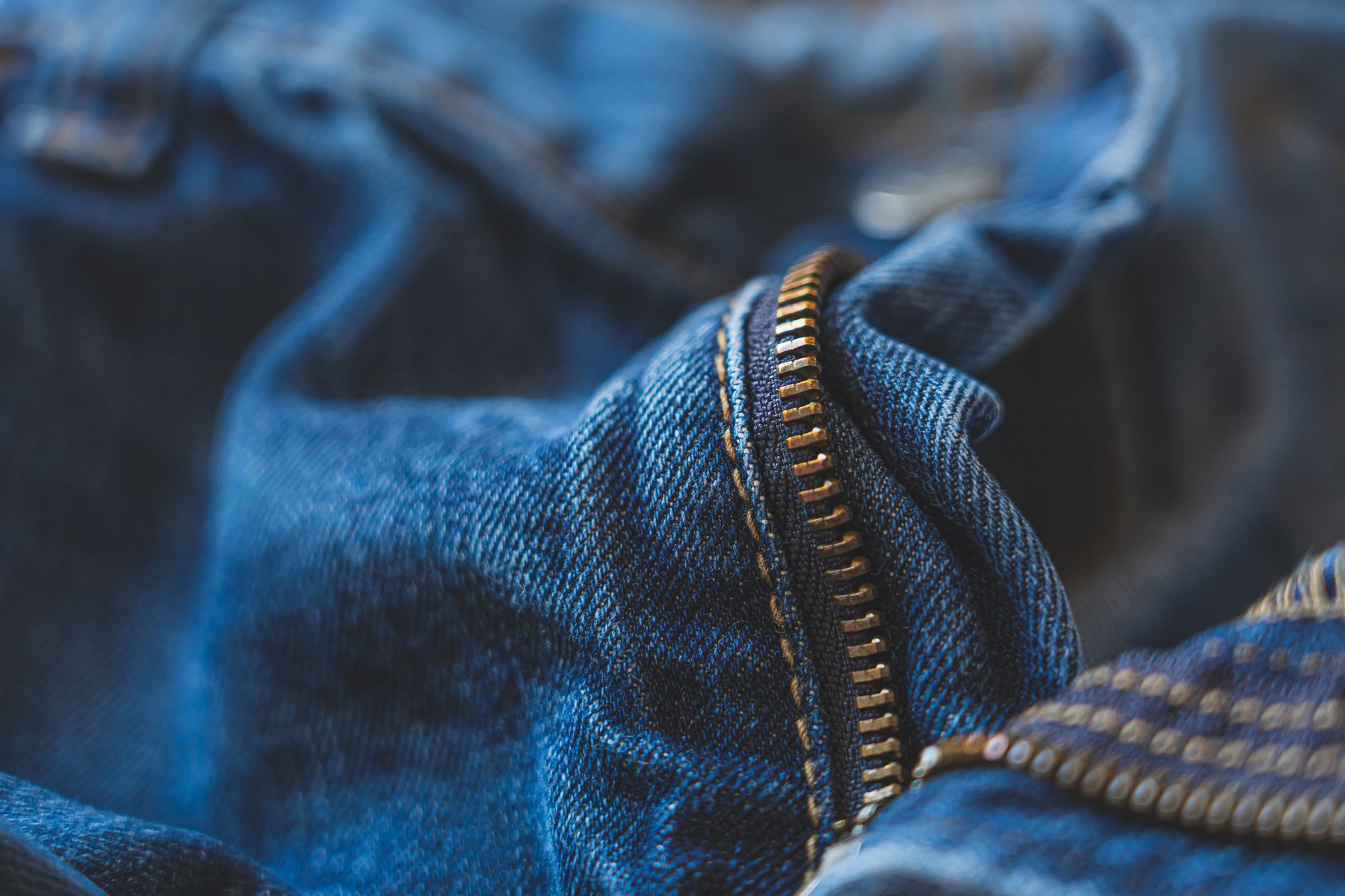
What it is
A bag fails at its components long before the fabric wears out. Zips, buckles, webbing, thread and lining carry the use, and specifying them properly is the difference between a three-year product and a three-month one.
What is included
- Written component specification
- Abrasion and tear data on main materials
- Qualified component suppliers
- Reinforcement standard at stress points
- Traceable batch reference per production run
How it works
Component specification
We define zip gauge, buckle rating, webbing width and thread weight against the expected load and use.
Material testing
We check abrasion and tear resistance of the main fabric and the coating, where a coating is part of the specification.
Sourcing
We source components from qualified suppliers with consistent batches, because a substituted buckle changes the product.
Assembly standard
We set stitch density and reinforcement at stress points, which is where a bag actually tears.
Frequent questions
Why do zips fail first?
Usually because the gauge is too light for the load, or the slider is a lower grade than the chain. Both are specification choices, not accidents.
Does a heavier fabric mean a stronger bag?
Not by itself. A heavy fabric with light stitching and undersized hardware still fails at the seams and fittings.
Can components be substituted mid-production?
Not without approval. A substitution that changes the specification needs a written agreement, otherwise the reference sample no longer describes the product.
Related
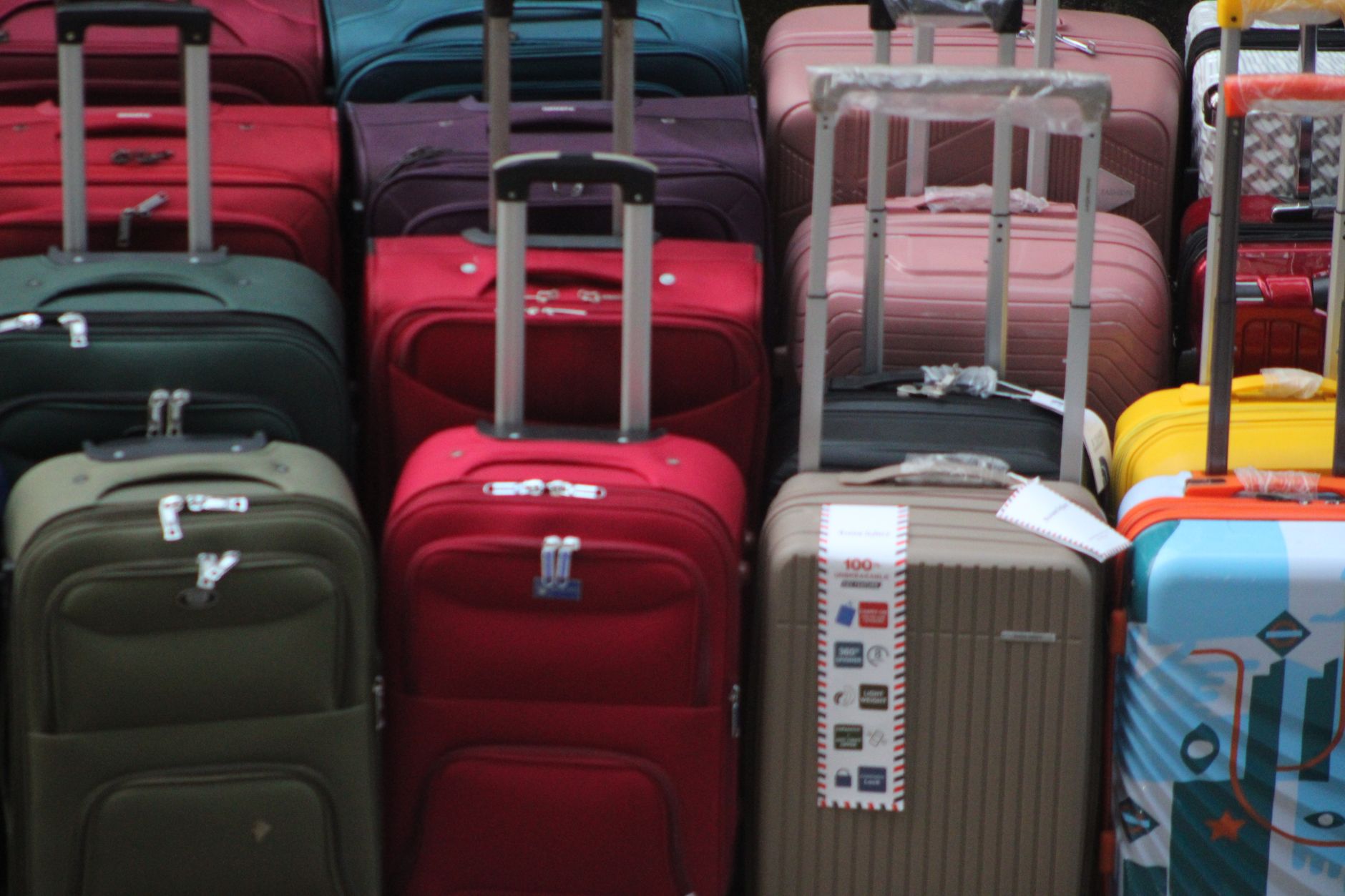
Judged at the wheels
Travel luggage
Cases specified on wheel bearings, handle stages and zip gauge, with spare parts availability confirmed.

Load on the hips
Technical backpacks
Packs built around frame, hipbelt and torso range rather than around litres alone.
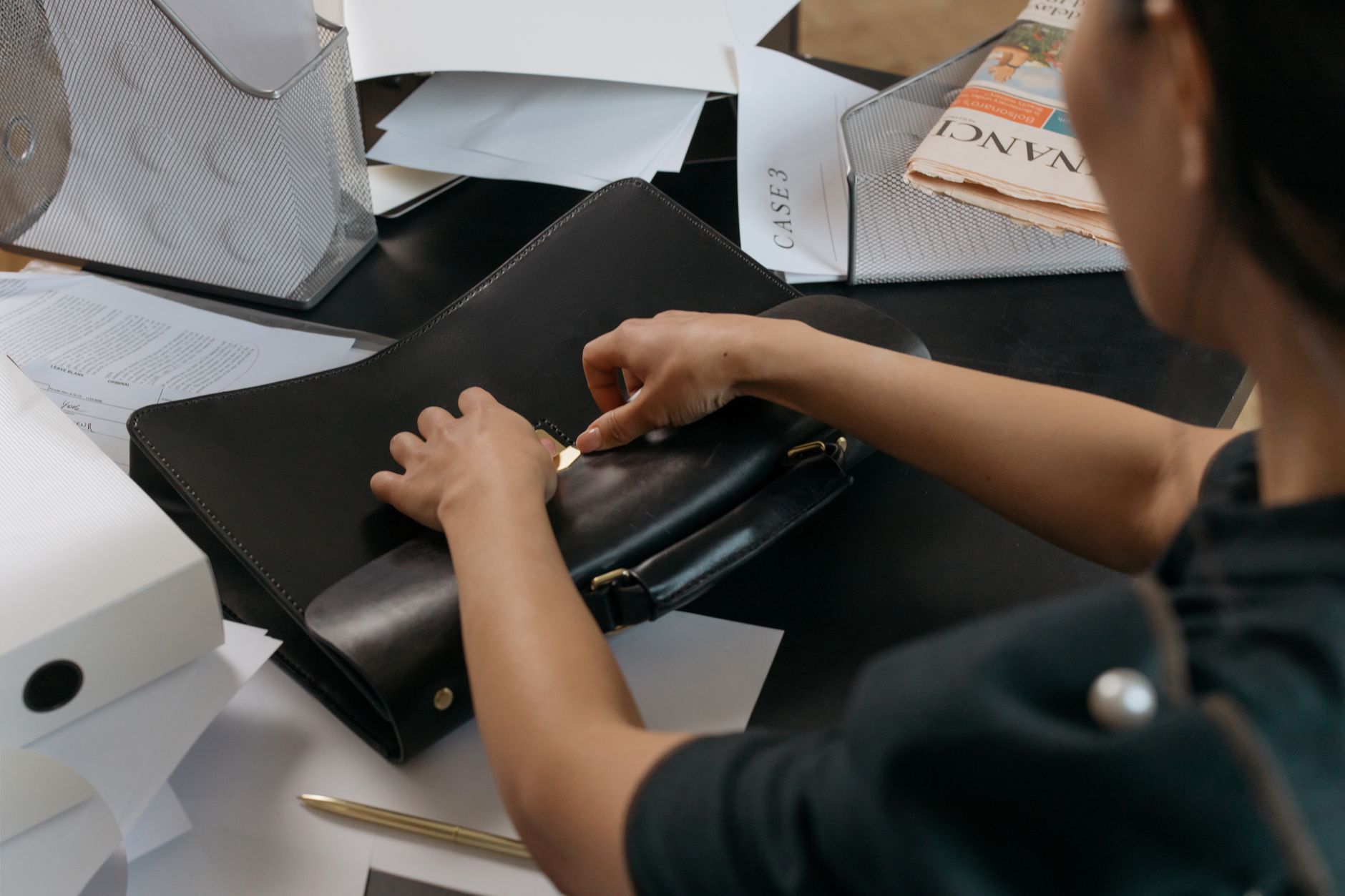
Suspended compartment
Business and laptop bags
Bags with a padded laptop sleeve suspended clear of the base, where drops are absorbed.